

THE POWER
OF AN
authentic
HUMAN STORY
A thesis on creator-driven growth for brands and institutions — and why the broadcast era of marketing has reached its terminal phase.
Chapter 01 · The Trust Deficit
The broadcast era
is over.
Words — Upperclass Editorial · Photography — Student Creators
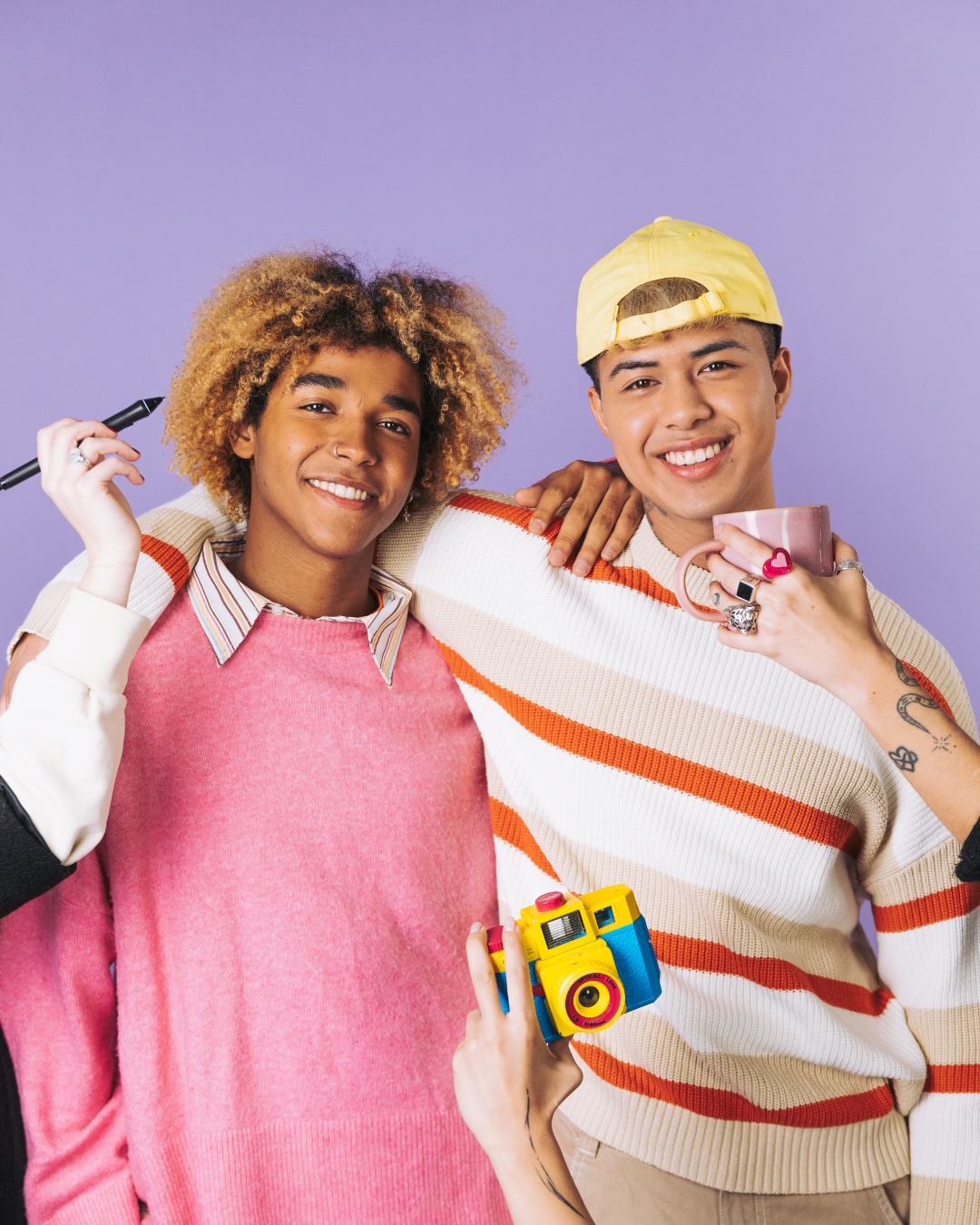
In the contemporary digital economy, the traditional broadcast model of marketing—characterized by hyper-produced imagery and corporate and institutional distance—has entered a terminal phase of diminishing returns.
For brands, universities, and consumer-facing organizations, the primary obstacle is no longer reach, but a systemic trust deficit among Gen Z and Alpha consumers who have developed a physiological resistance to polished advertisements. The authentic story, delivered via student creators, is the only remaining mechanism capable of bypassing this skepticism to drive measurable growth — whether that's revenue, applications, or brand love.
Chapter 02 · Peer Trust vs. Institutional Authority
The ontological shift.


Trust Disparity
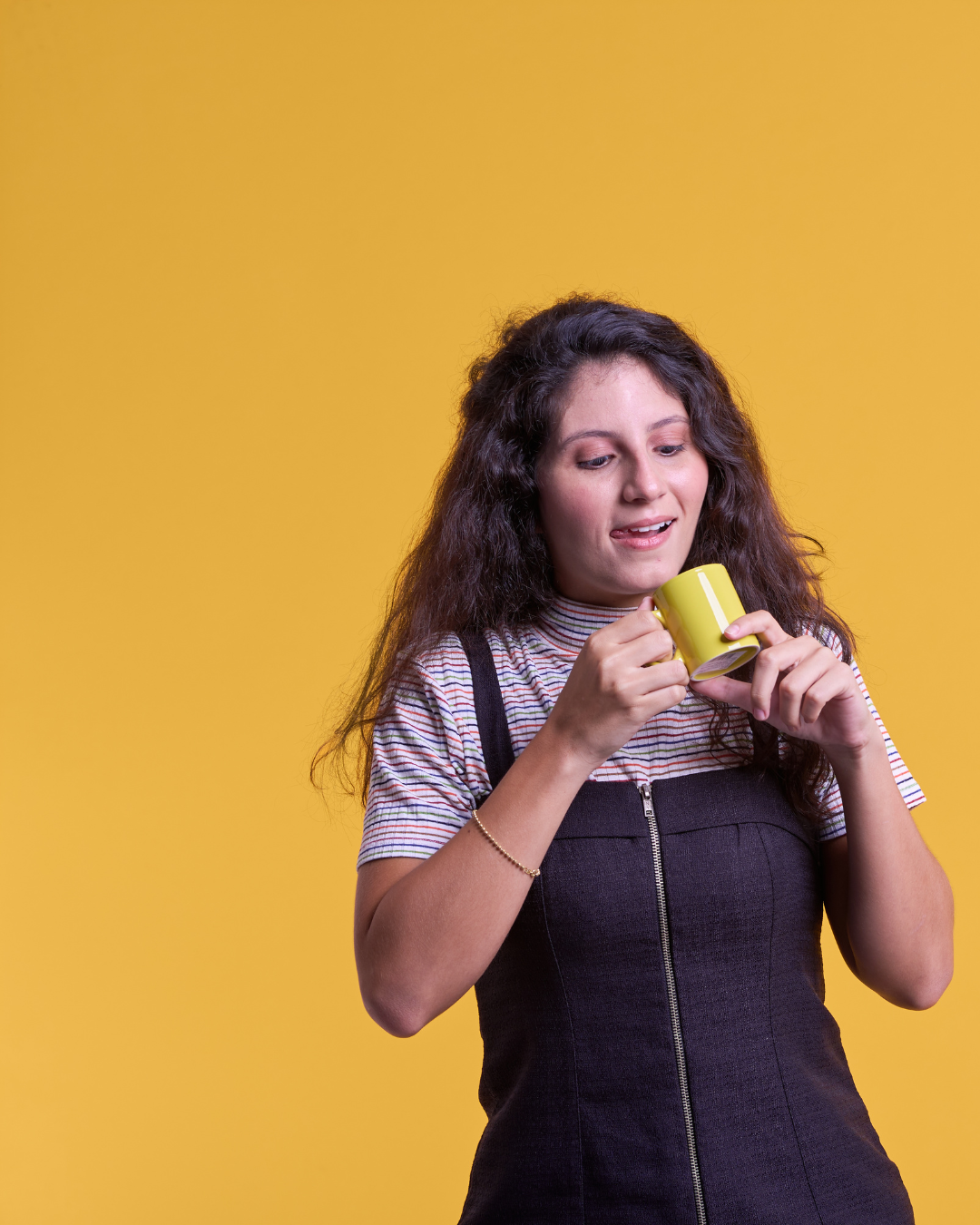
92% of consumers trust individual creators and word-of-mouth recommendations over traditional brand advertisements.1
Relatability Quotient
Student influencers share a similar life stage with their followers, creating a level of homophily brands and institutions cannot replicate through official channels.2
Aesthetic of Imperfection
Gen Z actively prefers lo-fi, unpolished content—often called mediated realness—as a signal of honesty in an era of AI-generated perfection.3
92% of consumers trust individual creators and word-of-mouth over traditional brand advertisements.
TRIBE Creator Marketing Report
Chapter 03 · The Economic Evidence
Performance over production.
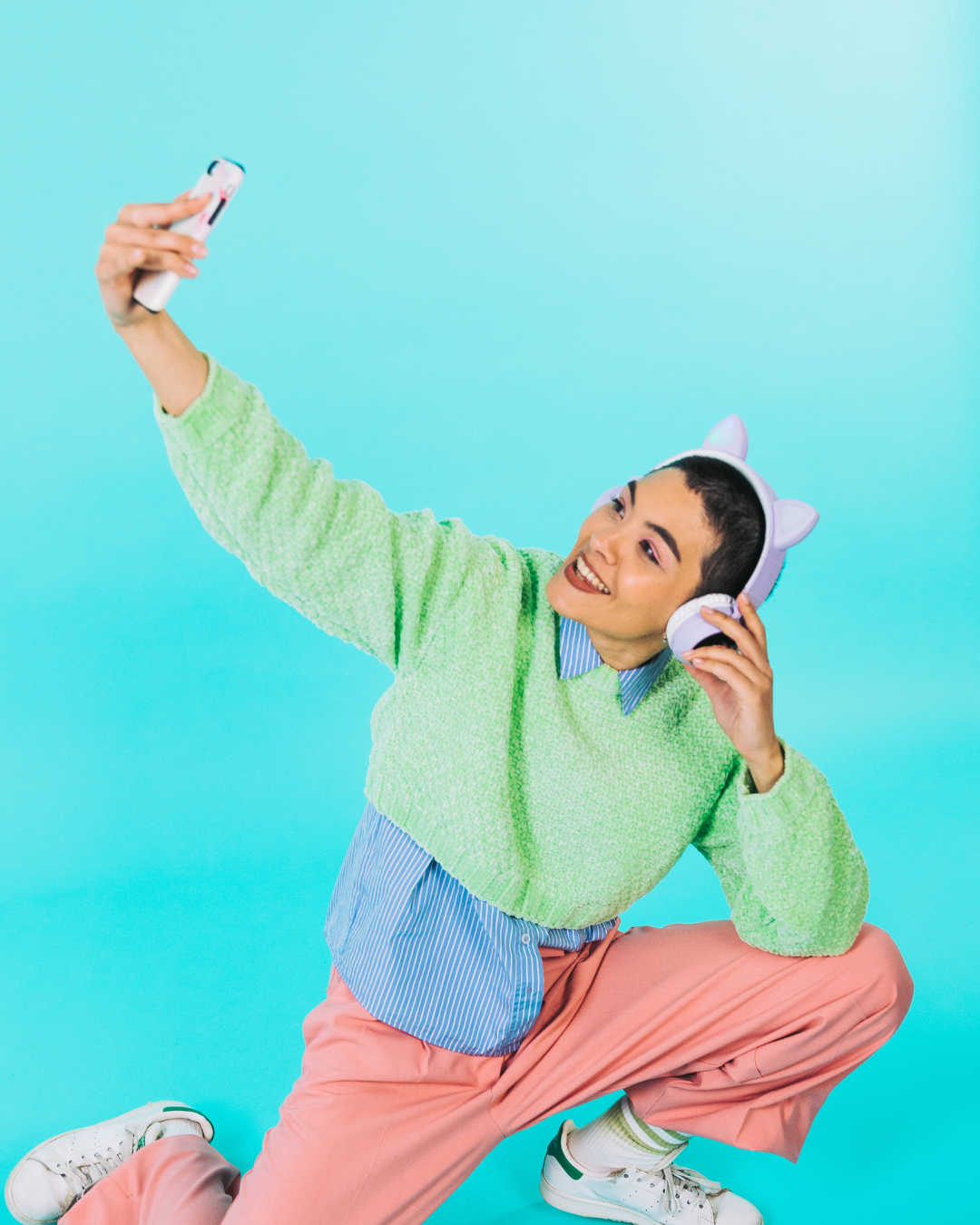
By trusting student creators to manage the narrative, brands and institutions move from non-working spend to working spend that drives direct ROI.
Sources: TRIBE, Aspire, Linqia, MyTotalRetail (2024–2026).
Chapter 04 · Narrative Transportation
How stories
transform business.
Student creators excel at narrative transportation—a process where a story-receiver becomes so mentally immersed in a narrative that their real-world attitudes and intentions shift to align with it. For a brand, a student-led day-in-the-life with a product becomes a lived demo, not an ad. For a university, the same vlog lets a prospective applicant mentally walk onto campus before they ever apply.
Reduce Persuasion Knowledge
Authentic stories do not trigger the 'this is an ad' defense mechanism that causes users to scroll past branded content.
Shorten the Decision Cycle
Peer-to-peer communication reduces uncertainty more effectively than a brochure. Prospective students and customers take action faster.
Humanize the Enterprise
By showing the messy, human side of a brand or school, student creators build emotional brand attachment that transcends the product or degree.
Conclusion · The New Strategic Imperative
The most
human brand
wins.
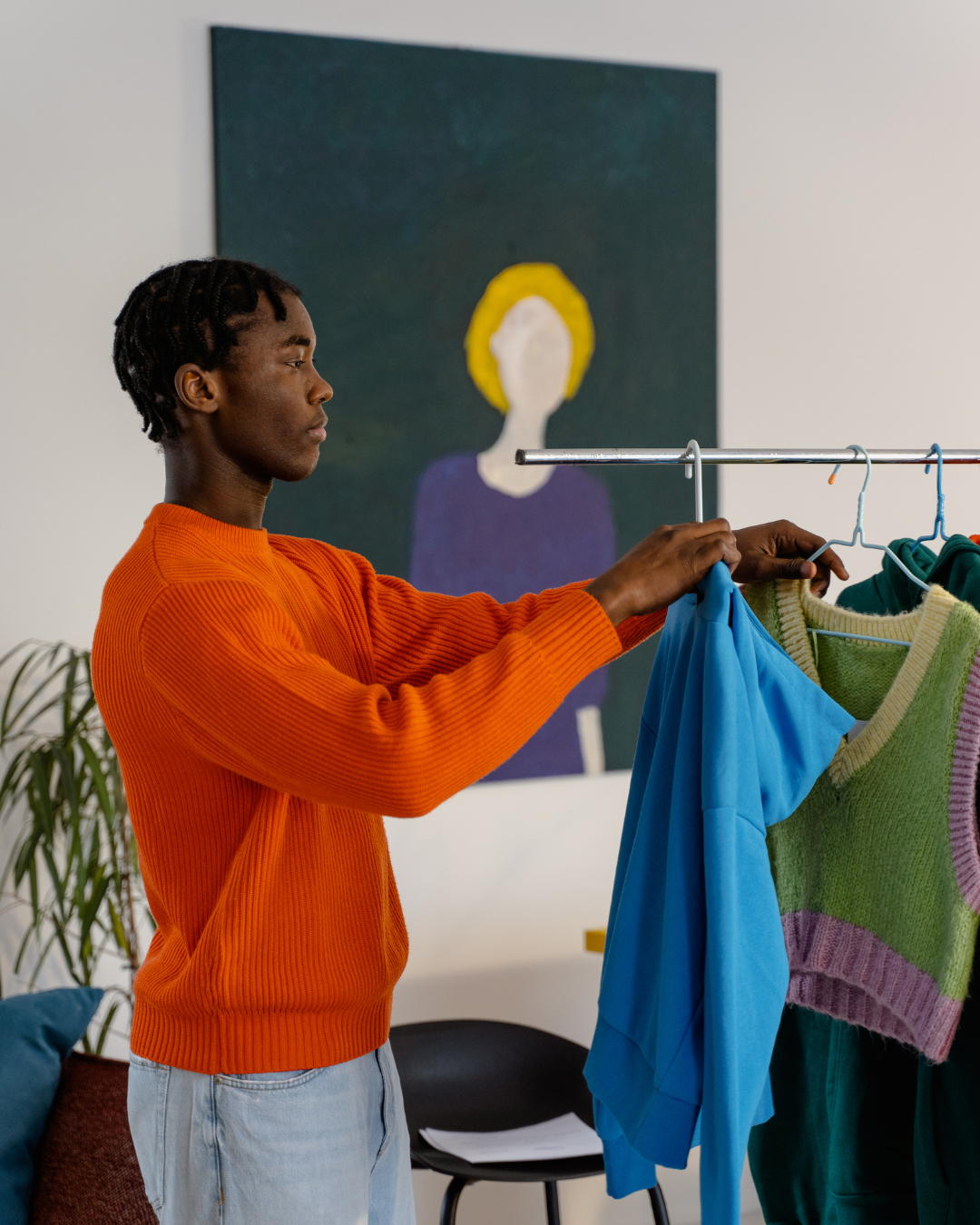
Trusting student creators is no longer an experimental tactic; it is the infrastructure of modern trust. At Upperclass, we recognize that a single 25-second authentic post can be more impactful for a brand or institution's growth than a multi-million dollar campaign.
Brand? Learn how Upperclass partners with brands to penetrate the Gen Z and campus market through authentic student creators.
Works Cited
- 1.The Top Creator Marketing Stats You Need to Know — TRIBE
- 2.Content Creators Marketplace vs. Traditional Advertising — Medianug
- 3.The Shifts Redefining Marketing and Communications in 2026 — The PR Net
- 4.Being Authentic on Social Media with Generation Z — Lindenwood University
- 5.Influencers Improve Content Marketing Performance and ROI — Linqia
- 6.The Future of Influencer Marketing — ResearchGate
- 7.Creator Ads Vs Brand Ads: 2025 Data You Need — Aspire
- 8.Small Creators, Big Impact: Retail's Untapped Power Players — MyTotalRetail
- 9.Consumers' Parasocial Interactions and Relationships with Online Influencers — Emerald Publishing
Upperclass · Field Notes Vol. 01